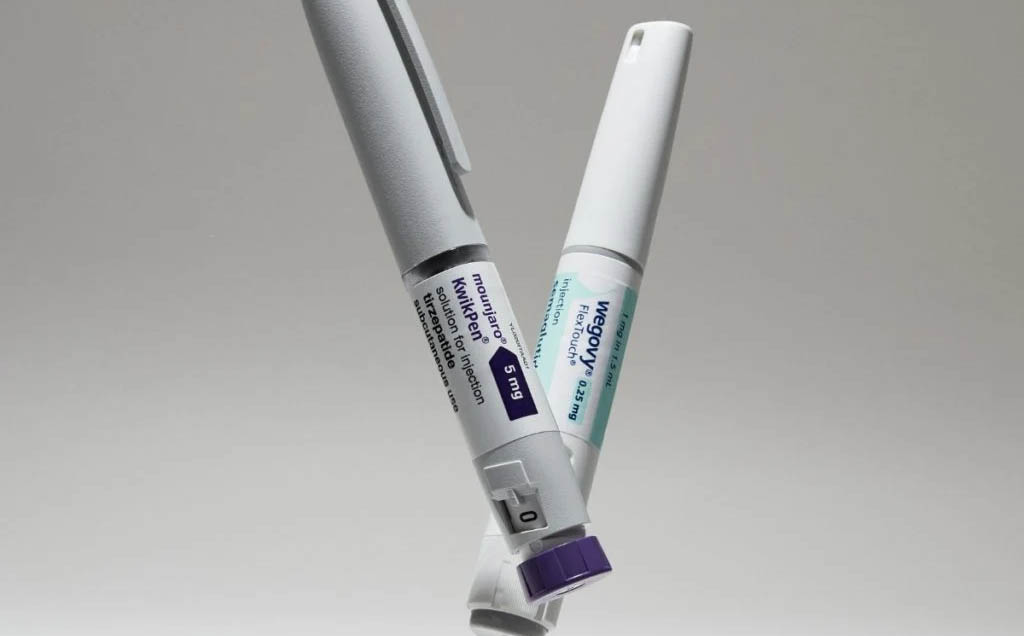
Two immensely popular medications for weight loss have now drawn attention for their potential to treat Alcohol Use Disorder (AUD). From one of several articles on the subject:
Weight-loss drugs Wegovy and Mounjaro could slash alcohol-related hospital admissions
Subheading: The analysis found GLP-1 drugs slashed the risk of alcohol-related hospital admission by 26% compared with other diabetes medicines
Wegovy is actually much better-known as Ozempic, the wildly successful diabetes medication now rebranded for use in weight loss. Both contain the same active medication, semaglutide, but with different guidelines for prescribers that reflect their different purposes.
The study, involving some 40,000 patients in the UK, did confirm the usefulness of GLP-1 medications in reducing the risk of hospitalization among heavy drinkers. That’s important because excessive alcohol consumption is a factor in so many hospital admissions.
I recall one study finding to the effect that nearly one in seven hospital patients was admitted for treatment of a problem that was either caused by or adversely impacted by the patient’s alcohol use.
The vast majority of those patients would eventually be discharged with no mention of the role alcohol played in their hospitalization.
As for the research itself, questions remain. For instance, American scientists have described the available evidence as “limited and mixed.” And despite assurances that the medications “…slashed the risk of alcohol-related hospital admission by 26% compared with other diabetes medicines,” that’s not an absolute reduction of 26% in risk, but a reduction by comparison with other meds.
Lastly, there’s the issue of expense. GLP-1’s can be expensive. That can affect treatment outcomes. As the research team puts it,“…it is more likely that people from more affluent groups, with better health insurance, can afford them.” And more affluent people tend to have better health outcomes, in general.
Wegovy and Mounjaro will be no exception. Insurance coverage is not always available. It sounds like a classic barrier to access that may limit the usefulness of the new meds, in spite of their demonstrated effectiveness in practice.