Today’s topic is a drug some of you may not have heard that much about.
The next ayahuasca? Gabon fights to protect sacred plant from US drug companies
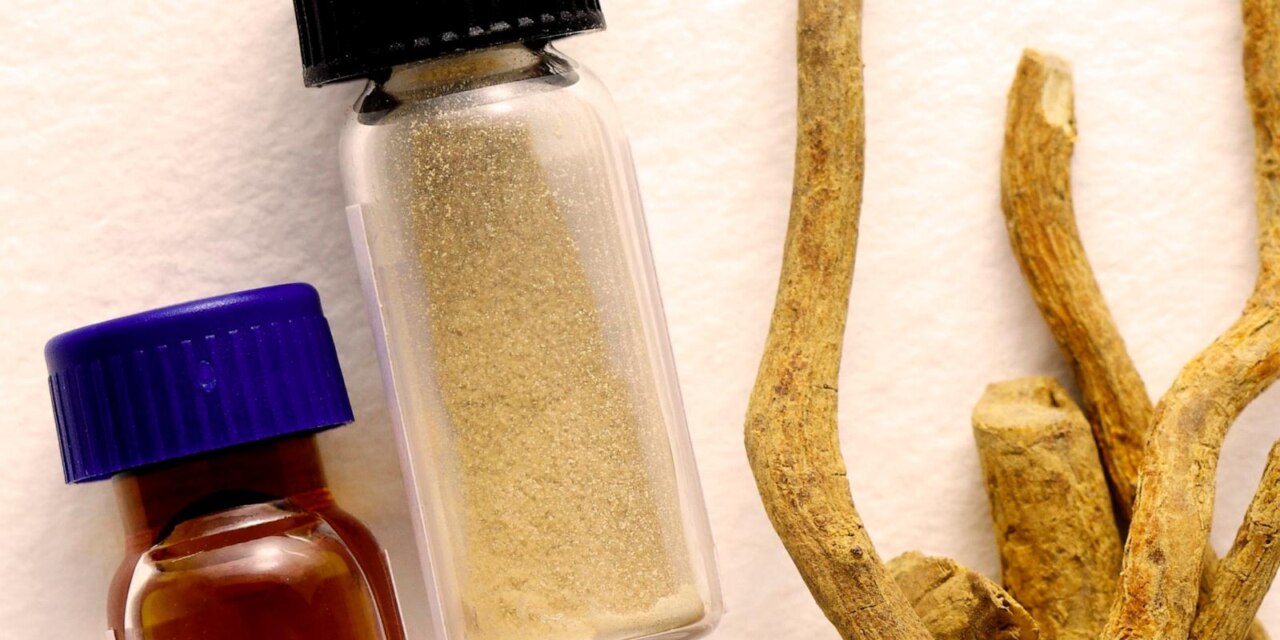
Iboga root, central to several Gabonese ritual traditions, is believed to have huge potential for use in treating addiction and some mental illnesses
I recall first encountering ibogaine in a newspaper article when I was in college, during the late 60s. There the emphasis was on its value to psychonauts of the day in their quest for spiritual enlightenment.
In today’s discussions, however, the drug is being touted for its potential use in the treatment of addictions.
Will it prove truly helpful? Some folks have claimed that it already has. I have no reason to doubt them, but that doesn’t mean others with the same disease can expect the same results.
Over the years I’ve noticed that almost everything you or I could think of has been credited with helping someone, somewhere, recover from addiction.
Sigmund Freud himself was convinced that the most effective treatment for opioid addiction was cocaine. It may seem silly to us now, but Freud felt certain he was right.
I came across an excellent article on the Chestnut Health website, by William White. This passage seemed like a particularly good way to close today’s discussion.
“It is easy to look back with condescension at the practice of treating morphine addiction with cocaine or alcoholism with practically every other psychoactive drug. It is easy to look back with outrage at the mandatory sterilization of alcoholics or their being blistered, bled, and subjected to invasive interventions from psychosurgery to shock therapies. The harmfulness of these interventions was not visible in their own times, and their introductions were often framed within the rubric of a scientific breakthrough. It is worth asking the question: What within today’s menu of addiction treatment services will prompt future historians to look back on these practices and reflect, “What the hell were they thinking?”