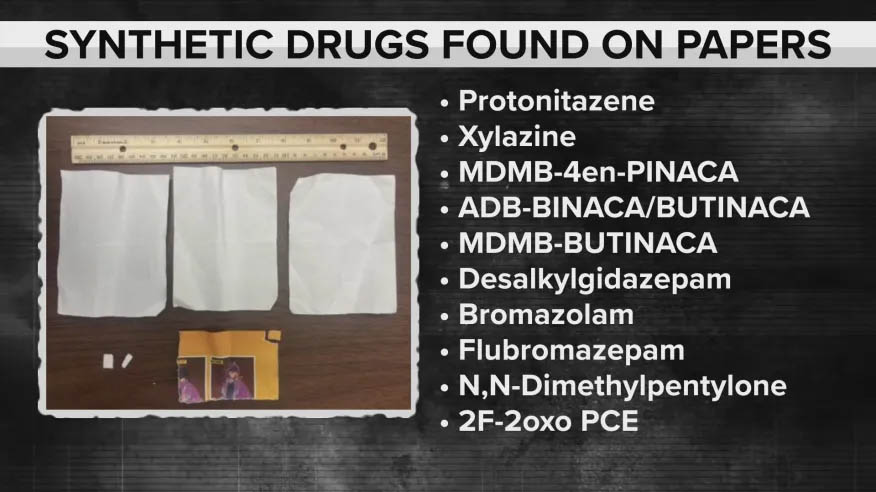
It seems that those who use drugs are no longer restricted to traditional methods such as smoking, snorting, injecting, etc.. Now they can simply chew, lick, or suck on an ordinary piece of paper that’s been soaked in liquid dope.
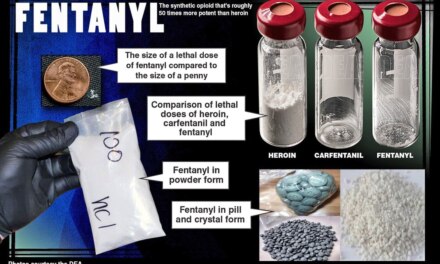
Paper has served as a delivery device for illicit drugs in the past, primarily LSD. But now the field of paper-borne substances has expanded to include opioids, sedatives, and stimulants. That’s due to a revolution in drug production that has yielded a host of new synthetics, produced by outlaw chemists for less than pennies on the dollar.
Earlier this year, The New York Times took a long look at what an influx of these new synthetics could do when they were able to infiltrate the Cook County (Chicago) Jail.
No Pills or Needles, Just Paper: How Deadly Drugs Are Changing
It’s a fascinating tale of the Jail administration’s struggle to understand how so many inmates were overdosing and dying from a substance they could not even identify. Somehow it failed to show up on tox screens, and there was no drug paraphernalia next to the body. In one memorable case, nothing more than a rolled-up piece of paper.
As it turned out, the chemical culprit was so new that it hadn’t yet been identified, and for that reason may not even have been illegal, at least technically. Worse yet, it was cheap to make and many times the potency of the drugs with which police were familiar.
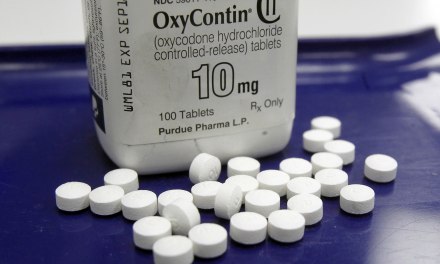
Unbeknownst to most of us, America was experiencing a technological revolution in drug abuse. one we were even less prepared for than the crack epidemic, or the shift from heroin use to fentanyl. At least those substances had were already known to science. These aren’t.
According to The Times, more than 1440 new substances have been developed since 2013. Among them are the nitazenes, synthetic opioids far more powerful than fentanyl. New nitazenes are making an appearance with some regularity, and despite the restricted environment, jail inmates make an almost ideal environment for testing new variations.
Jail and prison populations are largely made up of people with histories of drug use, often addiction, and inmates are likely to welcome any drug that finds its way into their midst.
They’re not easily deterred by the knowledge that another inmate has already dropped dead after ingesting some of the new dope. They tend to respond with denial: Somehow, “That won’t happen to me.”
I can’t help remembering that notorious line from the film Dirty Harry: “Do you feel lucky, punk?”
And way too many will answer “yes!”