
We’ve looked at kratom a couple of different times in the past few years, but now it seems the media is beginning to pay attention to the downside of the drug’s rapidly growing popularity in the US.
Experts have been warning us all along about the risks of kratom use. Most Americans appear to have paid little attention. But now, things are getting a bit more real.
For instance, here’s a recent article in The New York Times, on people who have used kratom as a remedy for various ailments — only to discover, to their surprise, that they developed a whole new problem.
They tried kratom for its purported health benefits, then became addicted
Then (also very recently) the Mayo Clinic released this warning, aimed at the general public:
Kratom: Unsafe and Ineffective
Users swear by kratom for lifting mood and boosting energy, but there are many safety issues and questions about whether kratom works.
Okay… so if the stuff doesn’t work, and can actually do you harm, why do people keep using it?
For one thing, at low doses (1–5 grams), it acts as a stimulant, boosting energy, alertness, even sociability. Compare it to a stiff hit of caffeine — a classic “pick-me-up”.
At higher doses — say, 5-15 grams and above — kratom’s effects closely resemble those of an opioid or a sedative — a feeling of deep relaxation, calm, euphoria.
Those effects make it very attractive to unfortunates who suffer from chronic pain, depression, anxiety, as well as people with alcohol and drug disorders who must seek relief from the discomfort of withdrawal.
Most fans of kratom bring up the notion that since it’s a “natural” plant-based substance (rather than man-made), they believe that even extensive use won’t do them any harm.
That belief was widespread among residents of recovery homes in Florida, who used it regularly as a relaxant. They convinced themselves that somehow kratom was nothing like their previous drug use, and therefore couldn’t count as relapse.
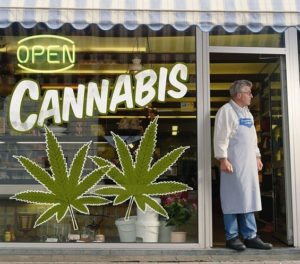
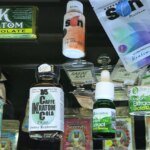
Where do users obtain kratom? Online, naturally, but also in neighborhood smoke shops, herbal supplement stores, cannabis dispensaries.
How many users are there in today’s America? An estimated 5 million who will admit to having at least tried kratom. Kratom industry sources put the number at three times that figure.
Perhaps a third of whom acknowledge more frequent use.
Not surprisingly, greater awareness has led to debate over how best to regulate kratom.
More on that subject in the next post.