
Believe it or not, there’s a concerted effort underway in some quarters to rehabilitate the reputation of nicotine, of all things.
A prominent doctor takes a critical look:
Nicotine Is Mounting a Comeback in the Wellness Movement
Improving mood and increasing longevity are just some of the unfounded claims about this substance circling around the “natural” medicine corners of the internet.
The author: “As a pulmonary physician-scientist who studies nicotine addiction and the health consequences of tobacco and nicotine products, I am concerned about these claims.” My partner Cecile is more direct: “What kind of eejits do they think we are?”
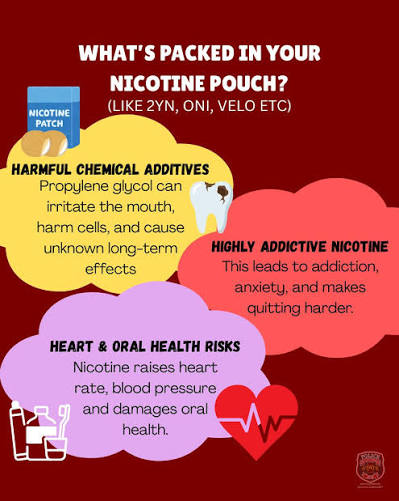
Underlying the campaign is a belief that most of the health consequences associated with tobacco are the result of the act of smoking, not of nicotine itself. Advocates propose other products such as pouches, where nicotine is absorbed through mouth tissue, as a safe, even health-giving alternative.
The good doctor’s article disputes that, asserting that nicotine has definite health consequences of its own. One major problem is that it’s addictive. Nicotine users develop tolerance and dependence, and a pronounced withdrawal syndrome that can be difficult to endure, virtually ensuring the user keeps on taking nicotine to suppress the symptoms.
The syndrome includes:
- Cravings: Intense urges to ingest nicotine that typically last a few minutes and return frequently, often in response to triggers in the environment.
- Mood changes: Irritability, anger, anxiety, sadness, or mild depression.
- Focus and sleep: Trouble concentrating; insomnia or restless sleep.
- Physical effects: Headaches, dizziness, fatigue, increased appetite, and weight gain.
Withdrawal symptoms ordinarily emerge within a few hours of last use, and peak 2 to 3 days later. Other physical signs can take 2 to 4 weeks to fade. That’s why more than 80% of smokers who attempt to quit experience at least one relapse. Many who finally do quit can nonetheless point to multiple failed attempts in their past.
As for those claims of health-bringing effects, the article notes that “the most ambitious claims emerging from the pro-nicotine wellness movement suggest that nicotine protects against Parkinson’s disease, Alzheimer’s, and other forms of age-related cognitive decline. Or that nicotine slows biological aging and promotes longevity.”
Not so, says the expert. If you’re interested, check out her analysis (see link).
My cynical self can’t help wondering who or what may be behind this unexpected surge in interest in nicotine-bearing products as aids to good health. Do they perhaps have a financial interest in promoting nicotine use to the general public?
If so, it wouldn’t be the first time.