
Recent data on cannabis and alcohol problems here in the US:
Cannabis addiction climbs fast while alcohol use disorder slowly declines across the USA
Per the numbers: “Alcohol use disorder among U.S. adults dropped from 28.8 million to 27.1 million between 2021 and 2024… [while] U.S. adults with cannabis problems rose from 15.3 million to 19.4 million.”
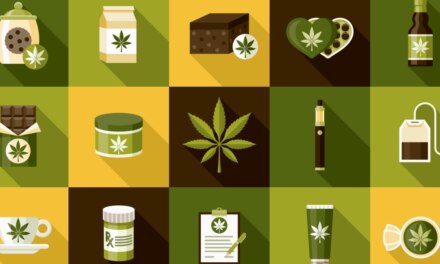
In the ever-shifting sands of addiction, it makes perfect sense. Alcohol use overall has declined, while cannabis continues on the upswing, now in a bewildering array of new products, including wax, edibles, and oils. I imagine you’ve heard that the average potency of pot, around 4% THC as recently as the 1990s, is now in the range of 15 to 30%, rising as high as 50 to 90% for select extra-potent products.
For those who work in the field, the population of greatest concern are the ones with a moderate to severe Cannabis Use Disorder (CUD). They’re the most likely to need treatment. Current best estimate is that 8 to 9 million Americans fall into that category.
And that number is growing fast — now at a rate of 4.1% per year for males, 2.5% for females.
In some ways, it’s a different population than we’ve been accustomed to seeing. Many will be age 35 and older, including seniors. I’m told that’s actually the fastest growing age cohort for CUD.
A significant percentage who enter treatment for Alcohol Use Disorder (AUD), will also have a moderate to severe problem with cannabis, although they may not recognize that. They’ll have been using both substances on a regular basis since they were teens, and for them, drinking and pot go together, hand in glove.
You might hear someone say, “well, I smoke (or eat or vape) cannabis, but I don’t have a problem with it. My problem is alcohol.” Or perhaps minimize the extent of their cannabis use, figuring the counselor wouldn’t understand. As one such patient put it, “I have to have something for when I get stressed, don’t I? And as long as I’m not drinking, what’s the problem?”
It’s one reason that drug courts and probation officers often insist on periodic drug testing. Cannabis is fat-soluble, so for regular users, evidence of THC can show up on tests for weeks, long after other drugs have disappeared from the system.
There has been some research on regular and heavy users of both drugs. From one review of studies: ”… it is well-established that individuals who use both alcohol and cannabis (especially if they use both at the same time) are at increased risk for substance-related harms relative to individuals who use only one substance.” Much more research is needed, of course, but the implication is clear.
I wouldn’t be surprised if this combination of an AUD and CUD turns out to be a common co-occurring disorder in treatment populations, often going unrecognized, but nonetheless having a significant influence on recovery and relapse.