
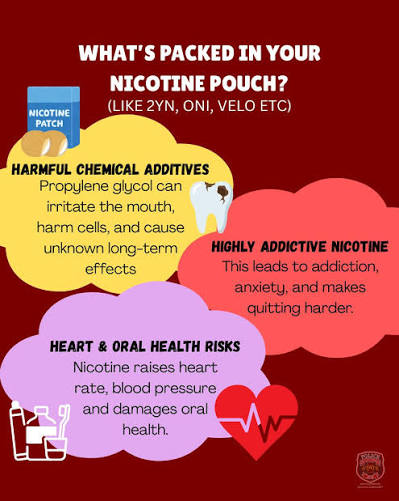
The article is referring to nicotine pouches, such as Zyn, sometimes called lip pillows in honor of their position in the user’s mouth.
No, I can imagine how medical professionals feel about them, since experts have spent years arguing for greater restrictions on nicotine products, and then here comes the current Secretary of Health advocating for nicotine as some kind of health supplement.
As for who is doing the celebrating, I’m guessing it’ll be the titans of Big Tobacco, eager to replace lost income from declining sales worldwide for cigarettes, cigars, chewing tobacco.
Philip Morris International will be one. The giant conglomerate assumed control over Zyn in 2022.
Much of the misinformation around the supposed health benefits of nicotine pouches actually comes from “influencers” on platforms like Instagram and TikTok. They actively promote the notion that nicotine by itself isn’t harmful — it’s only the other ingredients in tobacco that are bad for your health.
Here’s where medical experts tend to disagree with them.
The formulation used in nicotine pouches, they argue, is “vastly” different from that found in the nicotine gum or patches used by smokers trying to quit. “Pouch” nicotine, they argue, is a synthetic form of the drug that has been enhanced for rapid absorption and speedy delivery to the brain — two changes that render it far more likely to prove addictive.
“It’s like crack versus powdered cocaine in terms of making someone dependent on it,” observed one former user.
To further complicate things, the nicotine content in some pouch brands can rise as high as 15 mg, roughly triple that of Zyn. That makes it easy for users to escalate their daily intake as they become more and more dependent on the drug.
Or they can effectively double the dose by inserting a pouch into each cheek.
Taken together, the result is usually a user who walks around on a daily basis with a high level of nicotine in their bloodstream. This must be replenished as the hours pass, to stave off the unpleasant effects of stimulant withdrawal, and (hopefully) maintain a level of consistent function.
Is this sounding familiar? It will to anyone familiar with the dynamics of addiction.
Of course, there was a time not so long ago when smokers believed that cigarettes weren’t addictive. It took many, many years of education and experience to convince them otherwise.
It appears that this time around, there may not be much support from Washington.