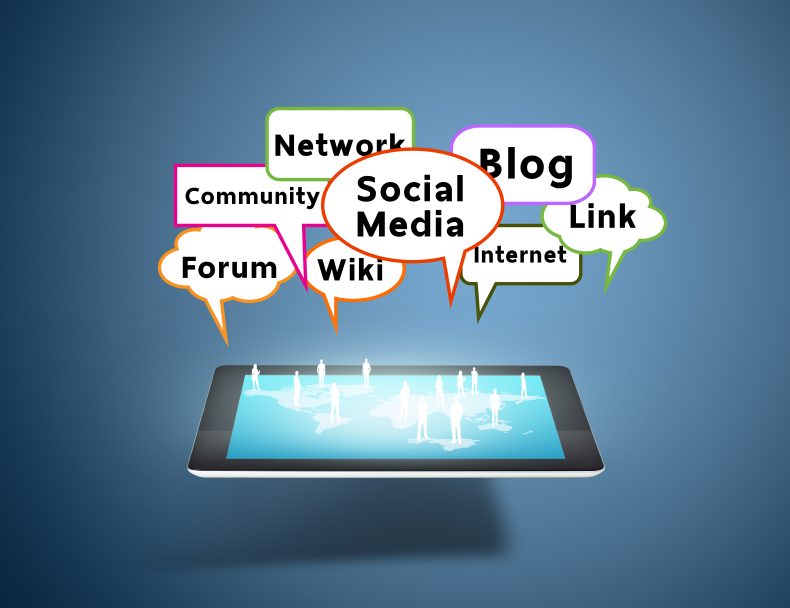
If you spend much time on social media, you no doubt noticed two important things about life there.
One: Bad news travels faster than good news. Six times faster, according to research.
Two: There are an awful lot of angry people online. Including the very highly-aroused, ALL CAPS, “drunk-on-rage” types.
Why so much online anger? I asked AI to explain (figuring it would know). Three factors were cited.
Anonymity: People feel less accountable online than they ordinarily would in real world interactions.
Focus. Some Internet platforms are just plain angrier than others. Reddit and Instagram are often mentioned. I’m sure you can think of a few more. Hang out there and you may find yourself feeling more and more irate, and not sure why.
Virality: Anger is more likely to spread than any other emotion — making it an effective way to drive traffic to someone’s website or discussion forum.
I suppose if you were running an Internet business and desperately needed to attract eyes to your product (or to the ads that fund your site), an effective strategy would be to tick people off. The traffic you get may not be exactly friendly, but again, it’s the quantity that counts. Not the quality.
More hits means more money.
Which allegedly has led to the phenomenon known as rage baiting— per Wikipedia, the practice of deliberately “…eliciting outrage, with the goal of increasing internet traffic, online engagement, and revenue, as well as attracting new subscribers, followers, or supporters.”
It’s a nasty enough tactic as is, but downright hazardous to vulnerable people, such as those newly in recovery. Many of them are already struggling with stress, anxiety, disrupted sleep, persistent cravings, conflicts with other people, and all the other challenges involved in learning to live without addictive substances.
From a counseling standpoint, it’s a time when we ought to be advising people to restrict their social media activity — at the very least, to select forums and sites that support recovery goals, such as emotional regulation, impulse control, and anger management. And to limit contact with (or avoid altogether) sites that foster or provoke negative emotions.
It requires some self-discipline, but it’s worth the effort. Your nervous system will thank you.