Quite a bit, in fact, about how to deal with a drug epidemic similar to our own.
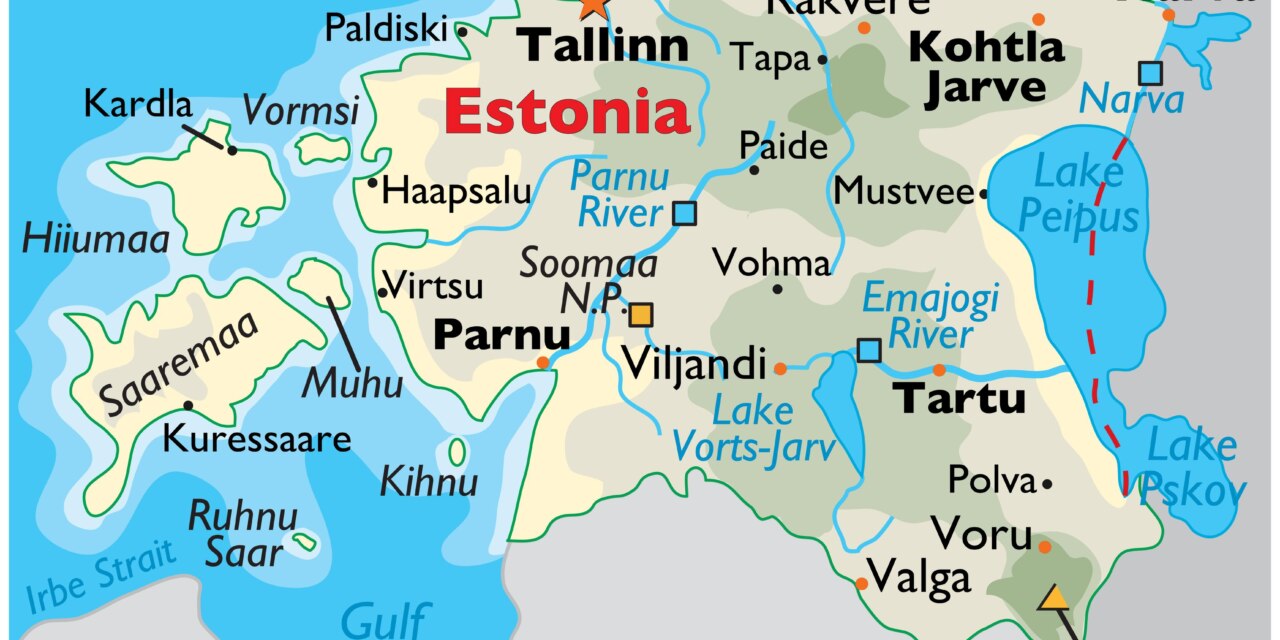
Northernmost of the Baltic states, little Estonia, pop. 1.4 million, was possibly the very first place in Europe to experience a full outbreak of fentanyl use. It began around 2002, and spawned the epidemic that has since yielded the highest rate of opioid overdose deaths on the Continent.
How it developed and how they dealt with it is instructive, even for a relatively gigantic nation such as ours. Here’s a helpful link chronicling the Estonian experience.
What initially triggered the influx of fentanyl into Estonia?
Ironically, it was disruption in the usual drug supply lines that resulted from the war in Afghanistan. Heroin was largely unavailable, and the existing demand motivated traffickers to come up with new synthetics to take its place. Things escalated from there.
Unlike in the U.S., medical overprescribing of opioids wasn’t involved.
Didn’t users recognize that they were using something new and different from before?
Apparently not. It seems that most users, even experienced ones, weren’t able to perceive the difference. They simply took the sellers’ word that they were still using heroin. It wasn’t until more and more people began to overdose that users became aware of the dangers associated with the product on the streets.
What about the government? Weren’t they aware of the change?
Again, no. As often happens, the government was behind the curve. As in the U.S., they relied too much on older resources and out-of-date methods to provide the needed information. Once they realized what was happening, they raced to catch up.
Since then, has there been a second wave of the epidemic, as in America?
Yes. After 15 years of struggle, the Estonian government managed to seriously disrupt the fentanyl supply chain. But instead of improving things, this motivated traffickers to yet another change in the drugs flowing into their country.
Now, the most common opioid in many areas of Estonia is another novel synthetic, isotonitazene (ISO)— far more potent than fentanyl, and often found in combination with the designer benzodiazepine flualprazolam.
Synergy increases the CNS depressant effect, and the risk of a fatality along with it.
Are things improving?
Yes. Once again, it’s mostly due to renewed efforts on the demand side. Estonia adopted harm reduction strategies used effectively in other countries, such as take-home naloxone; ready access to MAT; and public education efforts to destigmatize drug use and drug users.
What about supply side interdiction of drug trafficking? Will that continue?
Also yes, but this time, with increased public awareness that “…Law enforcement efforts… can disrupt the establishment of new drugs on the market, but have a limited effect on the overall problem.”
Demand-side interventions, including prevention and treatment, are ultimately the most effective.