How many is too many? Trips to 28 day rehabs, that is.
I know many people with SUDs make more than one trip — some quite a few more — before they finally establish stable, lasting recovery. After all, they do call addiction a “relapsing” disorder.
But what if the desired result just isn’t forthcoming, even after multiple rehab stays? Is there a point at which some other option should be pursued?
I was asked to deliver a lecture on relapse prevention at a newly opened rehab a few years ago. About halfway through the talk, a patient raised his hand and politely inquired as to how many rehabs it “should” take for somebody to stay sober “for good”, meaning no more relapses.
He went on to explain that this was his 34th admission to rehab, and he had been forced to seek out a new program largely because none of the other rehabs would accept him — they all knew him, you see, and apparently, they’d had enough.
The above was said with a broad grin. Some other patients grinned right along with him. They thought it was funny.
I waited for the laughter to die down, then asked him if he really did want to get sober. “It would make a lot of people happy,” he admitted.
“But would it make you happy?”
“Well, sure it would,” he answered, sounding less than certain.
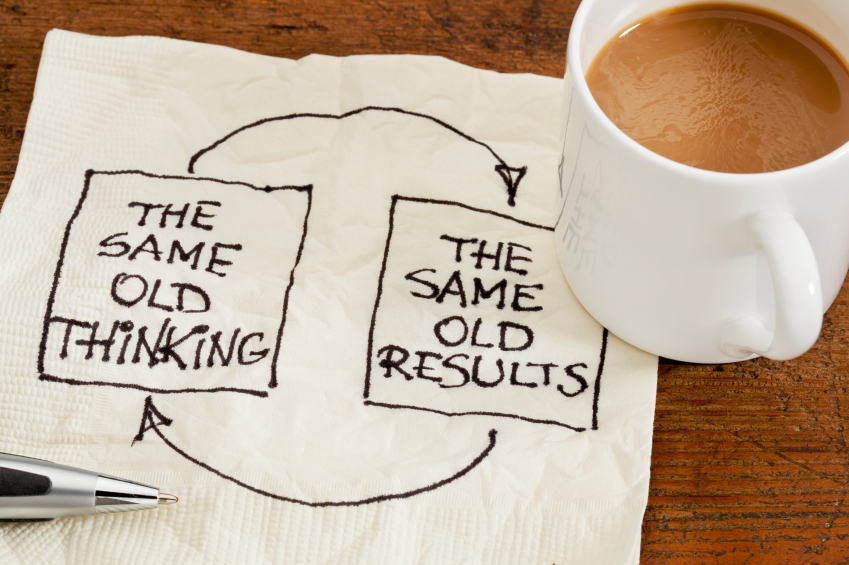
I came away thinking that this must be a classic case of doing the same thing over and over again, yet expecting a different result. He’d successfully completed a number of rehab stays, appeared to be doing well, but once back home, he’d failed to follow any of the important recommendations they’d given him when it came to maintaining sobriety.
“Something always seems to come up,” he complained.
That’s life, I thought. Something‘s always coming up, and we have to learn to cope with it.
It’s a common error made by some folks who go through 28 day rehab programs: They expect, consciously or unconsciously, that the experience has somehow “fixed” their drinking or drug problem. It hasn’t, of course.
I did wonder if the fact that he favored very high-end luxury residential programs was a factor. After all, when we pay a lot of money for a service, we tend to expect more in terms of results.
Unfortunately, addiction treatment doesn’t work that way. As with other chronic diseases, it doesn’t matter how much you paid for your medication, if in the end you didn’t get around to taking it.