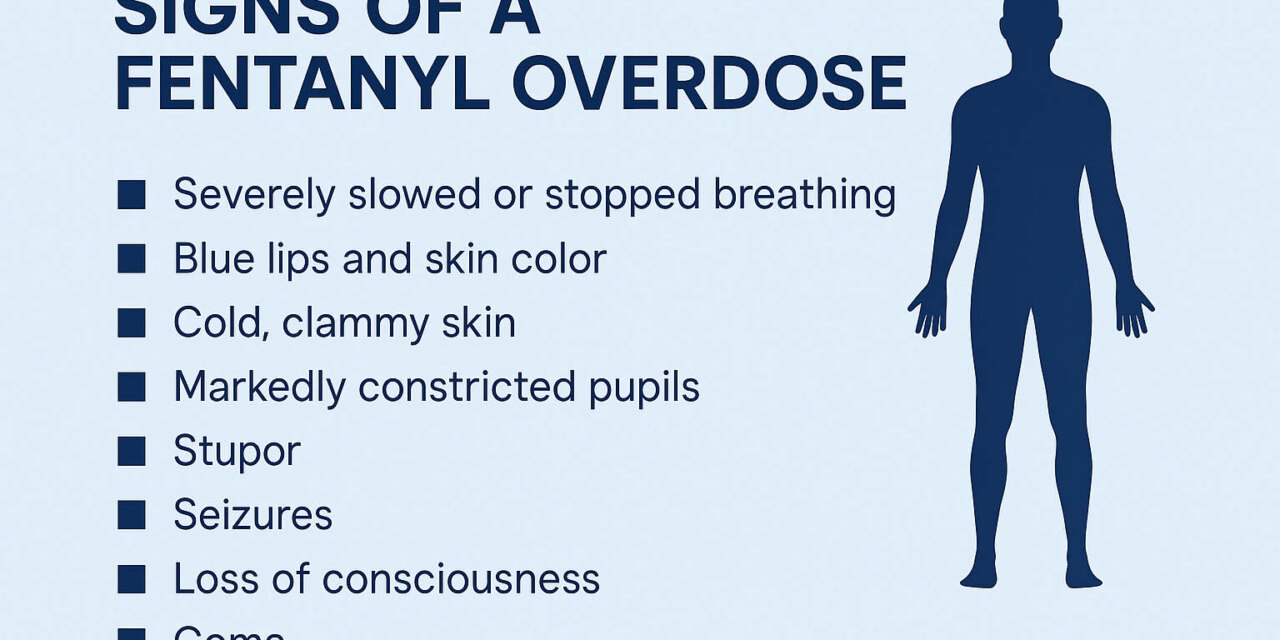
Appearing in several news stories this week: a tiny patch that, when worn by someone using fentanyl, can potentially prevent a fatal overdose.
How, we ask?
We’ll let the researchers at Virginia Tech explain: The patch contains “…121 microscopic needles (long enough) to reach the fluid just beneath the skin. When pressed into place, the needles penetrate only far enough to access that fluid while causing minimal tissue damage.”
“Inside the patch are porous silica nanoparticles loaded with naloxone… The openings of those nanoparticles are covered with fentanyl-sensitive molecular gates… When fentanyl reaches the patch, it causes the gates to open, allowing naloxone to be released into the body. Higher fentanyl concentrations trigger the release of more medication. Because only some of the pores open during each response, the patch retains naloxone that can be released during future fentanyl exposure.”
That’s just amazing technology. As the lead researcher explains, it’s no longer strictly necessary to have someone else present at the time of overdose to administer the naloxone.
“…we don’t need a bystander,” he adds, “because we’re protected all the time.”
Here’s a link to the original article:
Wearable smart patch could deliver automatic aid during a fentanyl overdose
The researchers acknowledge that their newly developed patch is a harm reduction tool, and a highly effective one, provided it proves reliable in practice.
It does make me wonder how it will sync with addict behavior. I can imagine some users — not all, but more than a few — making use of the patch to facilitate their unaccompanied fentanyl use, confident now that they won’t inadvertently overdose. And then being surprised when a number of them overdose anyway.
I suppose that can’t be helped. It’s the motto of the streets: Something that can be done, will be done. By someone, sooner or later.
Those streets, then, will be its proving ground.