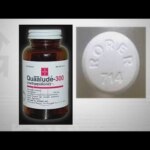
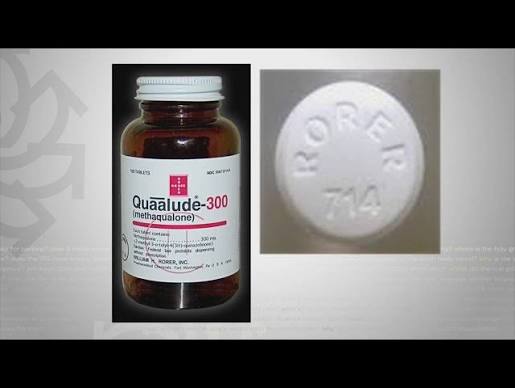
It’s an old story. A dangerous drug of abuse from the remote past, believed to be virtually extinct, returns to bedevil modern society. Here’s a prime example.
Underground chemists are now producing the notorious party drug after a Scorsese film sparked renewed interest
We’re to believe that one particular movie from the early 1990’s is still influential enough to spark a resurgence of Quaalude use?
And that could well be the case.
It’s the power of streaming. Turns out the film is considered something of a “cultural touchstone” by today’s audiences. AI asserts that the film’s “…meme-worthy scenes, rapid-fire pacing, and standout performances by [Leonardo] DiCaprio and Jonah Hill keep it relevant years after its release.” Bringing Quaalude along with it.
For the curious, here’s a review of trends among drugs of abuse:
Most Popular Drugs in U.S. During the 70’s, 80’s, 90’s and 00’s
The thing is, the elimination of methaqualone from the illicit drug market is often touted as THE outstanding success story for law-enforcement in its long-running War Against Drugs. A multi-agency campaign led by the DEA proved so effective that Quaalude seemed to simply disappear from the American drug scene.
Of course, that’s not the whole story. In the first place, Quaalude remained popular in a number of countries, South Africa for example. And illicit sources continued to make and market the drug, often from India.
During the 70s and 80’s, linkages with Mexican cartels had supplied a network of channels into the US, and those may have been reactivated in recent years.
So for now, Quaalude’s back.
A few brief observations, in the event it turns up in your area or clinic:
- Quaalude has a long half-life, 20 to 60 hours, comparable to some benzos. That implies it would accumulate with repeated use, making it more likely to show up on a drug test – – provided the test panel included methaqualone, which is not always the case.
- Tolerance and dependence are common with regular use, and symptoms of withdrawal are similar to alcohol or barbiturates. Reports are of regular users ingesting doses six or seven times greater than therapeutic dose, in order to manage painful withdrawal discomfort. That alone would suggest a tapering plan for detox, rather than risk abrupt cessation.