
Here’s the link:
A fast-acting psychedelic shows promise for postpartum depression
Well, maybe someday it will be widely available. Not yet, though.
This is what is drawing attention: From the article:
“A single day of treatment with an inhaled psychedelic compound called mebufotenin helped relieve symptoms of postpartum depression in a small trial of new mothers. Within two hours of receiving the therapy, patients experienced a near-total reduction in depressive symptoms that lasted for the weeklong duration of the study.”
Those results are certainly impressive. And the need is there: World-wide, as many as 20% of new mothers may experience depression.
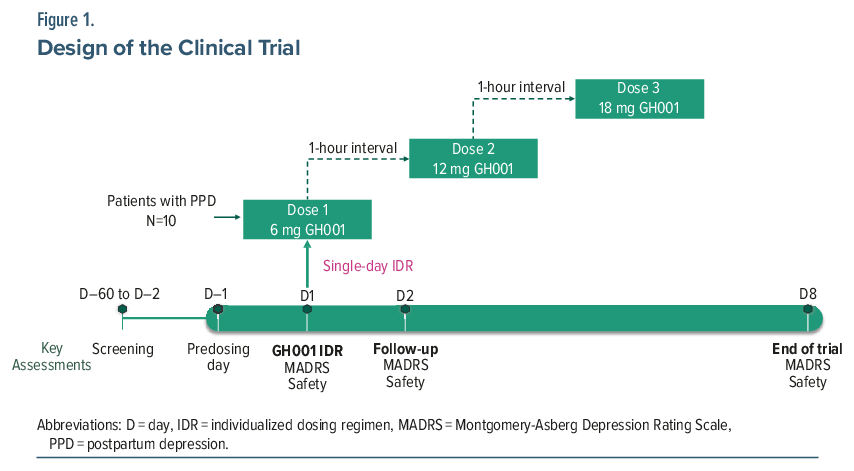
But issues emerge when we take a critical look at the research itself. This particular sample was quite small — 10 new mothers, all of whom were diagnosed with major depression, either shortly before or within a month after giving birth.
Rather than oral or by injection, “…The patients inhaled the medication from a collected balloon.” The research team closely monitored their response, and if they failed to achieve an “ intense, psychoactive peak experience,”, they were administered a higher dose an hour later, and in some cases, a still higher dose an hour after that.
When these folks say “peak” experience, they clearly mean it.
This method of administration necessitates professional supervision. And that level of intensity, as with other psychedelics, “…may be overwhelming for many people.” Those would be two barriers to the drug’s potential for widespread use.
Then there’s the question of how long the beneficial effects can be expected to last. From the article: “The study only tracked the women for one week after the treatment.” Would further treatments be required for lasting results? I doubt many people would want to undergo the treatment on a weekly basis.
Ordinarily, I would expect a study to follow subjects for at least a couple of months, perhaps longer. But maybe the drug makers were eager to show the public how quickly a single treatment relieved depression symptoms.
They were paying for the research, after all.
Then there’s the issue of the absence of a control group. All the women involved were apparently aware they were to be given the psychedelic, not a placebo.
That’s problematic, because it makes it difficult if not impossible to determine how much of the outcome, positive or negative, is the result not of the substance itself but of two other important factors: “set” and “setting”.
Set refers to the emotional state and expectations of the individual subject going into the experiment. Setting involves the physical space and cultural context in which the experience occurs. For a psychedelic “trip”, these are of equal or sometimes greater importance than the drug’s direct effects.
So all this must be taken into consideration when evaluating a treatment. Studies will have to be repeated, with other kinds of subjects, in different circumstances and conditions, over a much longer time frame.