This is one of several features that have appeared of late, all concerning the battle over the fast-growing market for a popular supplement known as kratom. From a recent issue of Wired magazine:
The Kratom Civil War Is Heating Up, and MAHA Has Picked a Side
At war are:
- Proponents of “original“ kratom, used by millions as a stimulant (in low doses) and an opioid-like sedative (higher-dose), and sold over-the-counter in mini-marts and health food stores as a “natural” supplement. Known colloquially as “Gas Station Heroin”. Reports of addiction are common. Versus:
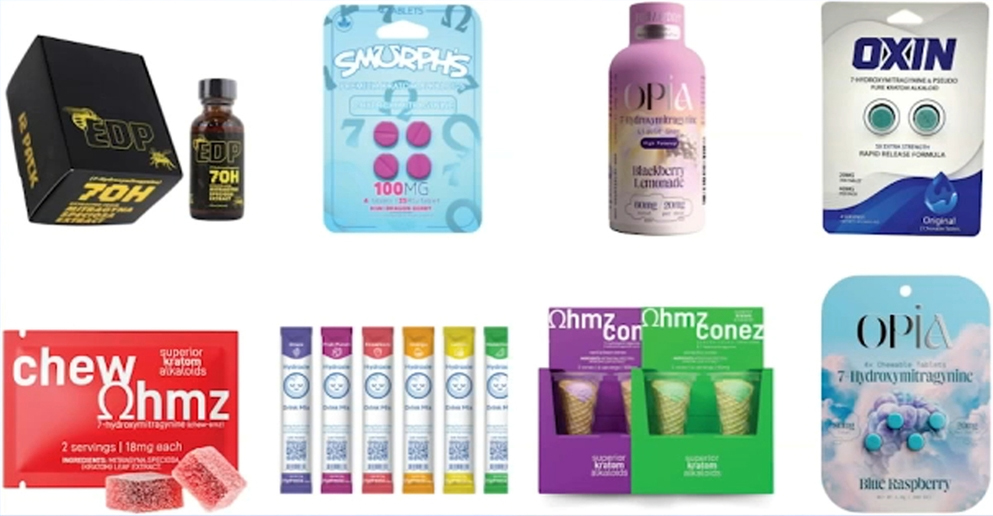
- Advocates for 7-OH, a primary ingredient of kratom that has been isolated and offered for sale to users who prefer something stronger than the original. It’s considered both more addictive and riskier to use than its parent, yet has not been closely regulated.
The Wired article takes pains to note that “Consumers of 7-OH have spoken of its excruciating withdrawal symptoms, and there have been reports of polydrug overdoses involving 7-OH and other substances.”
Now, the FDA wants to reclassify 7-OH as a controlled substance, effectively banning it from sale on the open market. Their argument: It’s simply too dangerous for widespread consumption.
On the other hand, “Original” kratom would continue to be available as a supplement, with little or no monitoring. Critics object that old-form kratom has its own problems, including numerous reports of dependence and addiction. They suggest that it should be a controlled substance, as well.
Most recently, the debate has been clouded by accusations of personal gain at high levels of government. Specifically, that both the Secretary of Health and Human Services and the Secretary of the Department of Homeland Security have “strong ties to a kratom lobbyist (and convicted criminal) behind a notorious kratom drinks company.”
That suggests that this debate is less about public health and more about commerce — two competing commercial interests vying for market dominance and monetary reward.
By the way, it’s my experience that attempts to completely ban a drug after it’s already quite popular, and has an established customer base, are usually less than successful. In fact, they can actually fuel the growth of a black market. And there’s the expense involved in enforcing a ban, of course.
No matter what path we choose, difficulties of one sort or another will follow. It’s easy to become cynical, when big money is involved.
“Who cares who wins?” barked a longtime drug counselor. “They’re all a bunch of thieves.”