It’s a question asked by StatNews, the health and science information site sponsored by the Boston Globe, in a series of articles on “America’s Deadliest Drug.”
Not fentanyl, not ketamine, not methamphetamine — it’s our old friend alcohol.
Actually, here’s how they framed it: alcohol is “…a drug that kills nearly 500 Americans every day, and causes more deaths in a typical year than every infectious disease combined. It is manufactured abroad and domestically, then sold by powerful multinational organizations with a vast network of distributors. Its promoters can appear indifferent to its addictive and ruinous properties.”
Why, they ask, isn’t this considered a public health emergency?
Alcohol is wreaking havoc on U.S. public health. American society looks the other way
Confronting heavy drinking could be one of the best ways to improve health and save lives
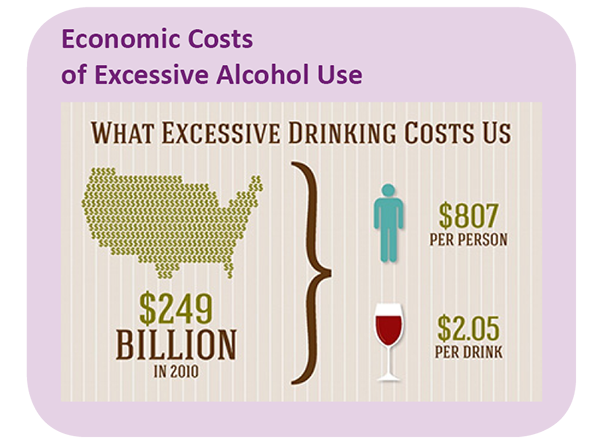
Oddly enough, Americans on the whole are drinking less, and less often, than ever. That’s the good news. But the toll in terms of disease, healthcare, and fatalities caused by heavy drinking — the sort we normally associate with alcoholism — remains extraordinarily high.
Based solely on their personal experience with alcoholism, many observers hoped to see more interest from President Trump and Health Secretary RFK Jr. So far, they’ve both been relatively quiet on the subject.
That’s in spite of the fact that evidence in favor of aggressive action on heavy drinking is far stronger than the evidence against childhood vaccination, or Tylenol use during pregnancy.
And that evidence is in the form of “…mountains of research linking heavy drinking to cancer, heart disease, stroke, cognitive decline, developmental disorders, gun violence, injuries, and countless other consequences.”
“Alcohol-related injuries, disease, and fatalities have spiked … Older adults, women, and young people have been especially harmed… Alcohol-related emergency department visits nearly doubled in the U.S. between 2003 and 2022.”
AI defines public health emergency as “an event, whether natural or man-made, that threatens a population’s health and has the potential to overwhelm routine health and emergency capabilities.” Furthermore, “These crises require coordinated, multi-sector responses to minimize harm, prevent further spread, and manage critical resource allocation.”
If alcoholism doesn’t qualify, then what does?