The linked article, complete with provocative title, appeared recently in The New York Times:
After Six Decades of War on Drugs, Does Anything Work?
Good question. One that I’m positive has been asked by most of us at one point or another. The article goes on to observe:
The U.S. and its allies have spilled blood and treasure to kill drug lords and defeat cartels, but the drugs keep coming and the new groups are more violent than ever.
My own opinion, based on decades of observation, is that while many different measures have worked to minimize the harm done by drugs to people and society, nothing has worked well enough to put an end to the problem itself.
It just goes on, and on, and on.
I don’t find this particularly difficult to understand. There’s always been a demand for drugs that alter mood or perception, and as we all know, where a demand exists, supply will follow. Along with any problems that arise from the drug’s use.
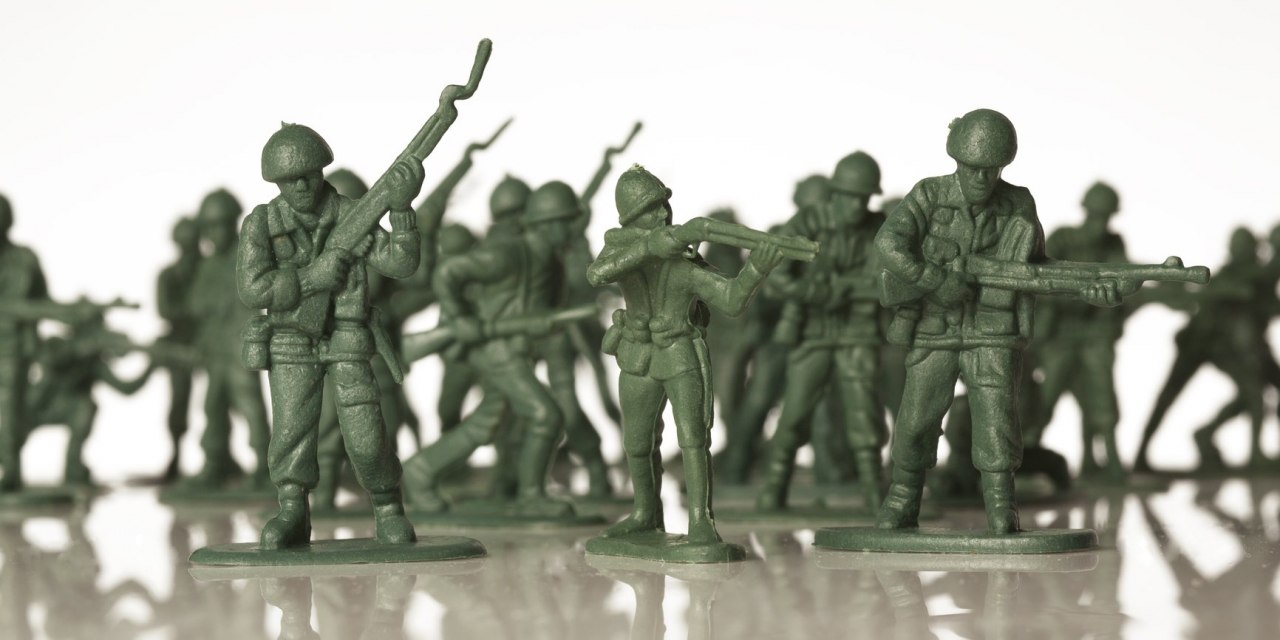
It’s why I’ve never been comfortable with a war metaphor when applied to substance use. Same for when it’s used for other longstanding problems for humanity, such as poverty, crime, aging, and the like. We battle against these problems for reasons that have to do with protecting and preserving the quality of our lives, but not because we expect a permanent victory over any of them.
We know there will be periods of success and failure, but no real final outcome.
So how to explain the popularity of war metaphors with respect to drug abuse? Many years ago, a former US Senator took the time to explain to me that framing a problem as a war rather than say, a public health issue, made it much easier to marshal public support and (hopefully) a lot of funding for the effort to control it.
As a political strategy, “militarizing” (the term he used) a response had worked quite well in a number of situations throughout our history, and would probably continue to be effective in the foreseeable future. “It’s a psychological thing,” he explained. “The idea is to get that ‘wartime’ energy going. Get people behind it, build some momentum.”
So it was really about the process, not the outcome. Nobody expected anything like final victory– not against that sort of opponent.
Progress will have to be enough.