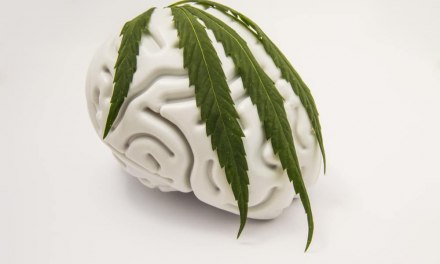
I had a question from a therapist about a client who had been microdosing psilocybin for over a year. The client claimed it helped her with anxiety, and planned to continue.
The therapist wondered if her client’s hallucinogen use could have an impact on their upcoming therapy — positive or otherwise.
I didn’t have an answer ready, so I went looking.
There wasn’t a whole lot of research to be found, and what there was seemed to concern high-dosage use in a structured, intensive course of therapy. A far cry from daily microdosing.
One thing I did learn: Microdosing is way more popular than I realized.
An estimated 10 million Americans microdose various hallucinogens — think ketamine, psilocybin, MDMA, LSD. Among them, psilocybin is by far the most popular, with an estimated 8.4 million users.
Anecdotal reports from current and former users attest to the benefits of microdosing. They mention improvements in mental health–– such as reduced symptoms of mood and anxiety disorders–– and/ or enhanced cognitive performance.
I wasn’t sure how those benefits came about–– or how the user was able to recognize them, since by definition a microdose is subperceptual, meaning below the individual’s ability to perceive its direct effects.
As it turned out, the positive reviews were more likely to be in the form of subjective opinions about how much better the user felt since beginning the practice. Microdosing received credit for the benefits.
So I went looking for scientific evidence that microdosing itself was responsible for the improvement, versus other factors. Predictably, there wasn’t a lot of research, and what there was tended to rely on anecdotes for support.
Except for a few such as this:
The key findings:
- No effect, positive or negative, on attention, mood or cognitive control.
- No enhancement of mood or well-being (per self-report).
- Lack of support for popular claims for microdosing as a productivity hack.
By the way, “productivity hack” is a term for a “strategy, tool, or routine designed to help you accomplish tasks more efficiently, minimize distractions, and optimize your time.” It’s Internet lingo. Apparently, microdosing doesn’t qualify, despite the claims of advocates in the IT community.
But then, if microdosing isn’t producing the advertised results, why do some 10 million people continue the practice? They must be getting some sort of reward. Or they wouldn’t keep coming back.
Was it the placebo effect? That odd psychological phenomenon where improvement is the result of the person’s expectations for and belief in the treatment? Rather than the medication’s own active chemical properties, that is.
If so, this certainly wouldn’t be the first time placebo has been a deciding factor in research results.
Still, I couldn’t find persuasive evidence that microdosing was doing any harm, either. For one thing, the dosages are simply too small.
Anyway, I shared this info with the therapist. And I’ll be sure to keep an eye on the research going forward.