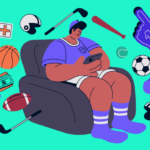

This first-person account caught my eye in when it appeared in a recent issue of The Guardian. It’s about one man’s experience with a shopping disorder.
One change that worked: I used to be a compulsive shopper
That’s of interest to me because I so often encounter people, especially ones in early recovery, who find themselves dealing with compulsive behaviors of various types. Spending and shopping are probably the most common, and gambling the most damaging. But in today’s environment, all three are likely to be expressed online.
Where impulsive behaviors involve acting without first considering the consequences, compulsive behavior patterns involve repetitive acts characterized by the feeling that one ‘has to’ perform them. Someone may worry about the possible harm involved, but still feel compelled to go ahead and do it anyway.
I sometimes characterize compulsion as ‘the potato chip syndrome’ –somehow, one is never enough. It seems to create an urge for more.
Compulsive behaviors are generally thought to stem from anxiety, and that’s certainly common enough among the newly clean and sober. Sure, it could indicate an untreated anxiety disorder, or result from a host of other problems that had previously been obscured by alcohol or drug use. Regardless of the cause, we need to adopt more effective approaches to managing our anxiety– and at the very least, that can lead to a more stable, satisfying recovery.
If you think you (or your therapy client) might qualify, you can dig a bit deeper using a screen such as the Yale- Brown Obsessive-Compulsive Scale.
It could prove unexpectedly helpful.