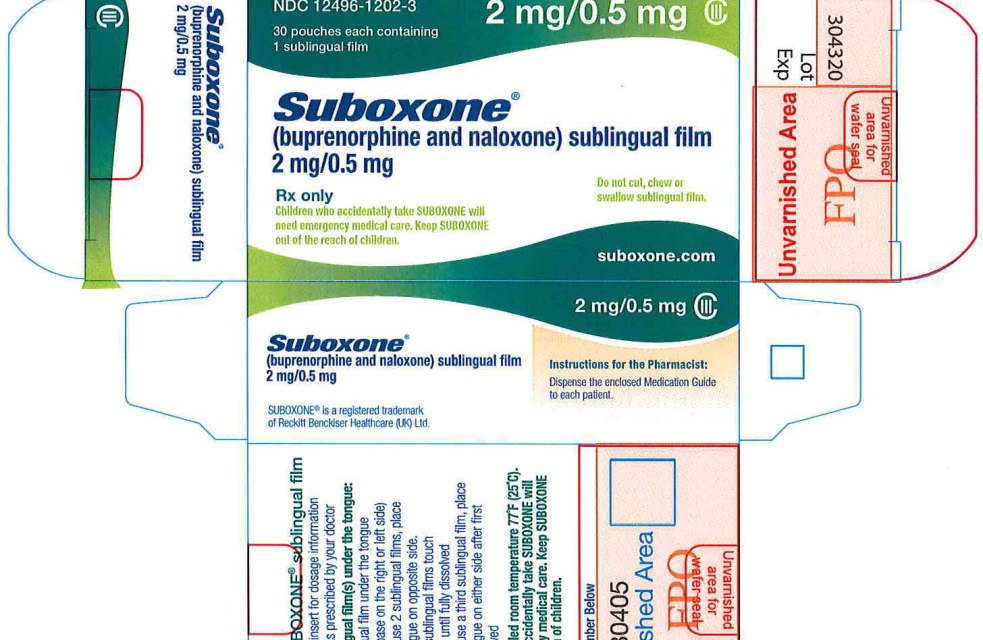
Today’s topic concerns a “sting” by law enforcement that successfully interrupted an attempt to smuggle Suboxone into a county jail. The operation resulted in the arrest of 10 individuals, most of whom appear to be detainees rather than prisoners. Such operations are becoming quite common in American correctional institutions.
A prisoner has been sentenced, where a detainee has not. Detainees are held in custody pending trial, or perhaps awaiting deportation. Many (if not most) US jails, I’m told, have housed at least some of the latter.
Here’s a link:
Sting operation snares 10 in Santa Fe County jail drug smuggling ring
The incentive to smuggle Suboxone into a jail is based on the reality that most jails are full of people with drug problems (not the first time we’ve discussed this.) Some are experiencing withdrawal symptoms, others simply a strong craving. Suboxone effectively suppresses both. That makes it a prized commodity for resale inside the institution.
It is possible to use Suboxone to get high — buprenorphine is an opioid, after all — but it’s less effective for that purpose than other opioids.
“Bupe” has been a Schedule Three controlled substance since 2002. Other drugs in Schedule Three include Tylenol with codeine, and surprisingly, ketamine, which I would’ve thought deserved a higher classification. Suboxone has been rated by authorities as having only low to moderate risk for dependence, although it does have potential for diversion, misuse, and abuse.
Apparently, the sting that brought down the alleged smuggling ring was based in monitoring of inmate phone calls, and decoding the language to reveal criminal intent. Code words for Suboxone included ribbons, referring to Suboxone strips, and birthday party, referring to the drug’s arrival in the jail.
I appreciated the introduction of Suboxone into the detoxification setting because it was much less sedating for the patient than the other opioid withdrawal medication, methadone. Rather than laying around for a few days, patients detoxing on Suboxone were out of bed and going to group therapy and otherwise participating in treatment. It wasn’t long, however, before we realized that the relapse rates from detoxification using Suboxone were quite high, with drug use often resuming on the day of discharge.
As it turned out, the medication was most useful as a support against return to use during the early stages of outpatient treatment.
We never doubted that people would figure out a way to abuse Suboxone.
“If it can be done, it will be done.” That’s the rule of the street.