Outbreaks of illicit drug use have a life cycle not unlike common disease. They can start quickly, achieve a dramatic peak, then fade gradually with time. Once embedded in a society, however, use of a particular drug tends to remain at lower levels, rather than to disappear entirely.
In the case of the crack epidemic, a number of different factors contributed to its eventual end. A vigorous campaign of public education, for instance, combined with greater access to treatment, and a growing awareness in the public mind of the consequences of crack addiction, as witnessed in their peers– all of these contributed. That didn’t mean everyone just stopped using crack, but eventually, what had been epidemic became endemic.
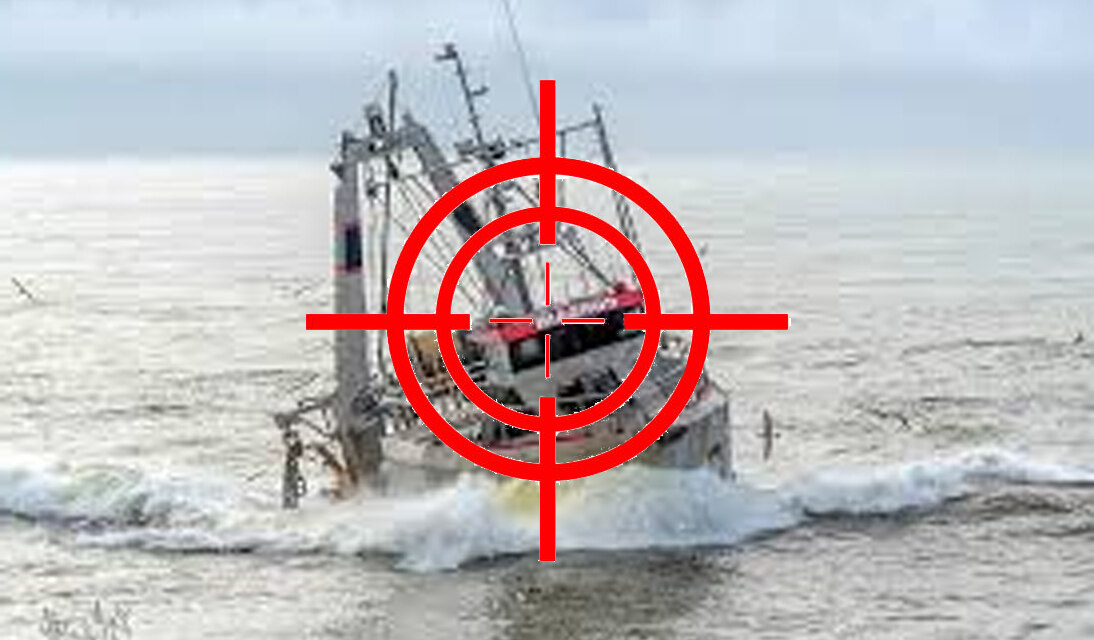
A colleague asked for my opinion of the US raids on boats in the Pacific and the Caribbean, that have resulted in a number of deaths to date. Were those who were killed really narcoterrorists, as has been claimed?
That’s impossible to answer precisely, as we have yet to see proof of their identities or personal histories. In fact, the military may not even know who the victims were. They were shot from the air, after all.
But Sam Quiñones, in his book Dreamland, described a model that drug suppliers in Mexico used to safely transport their products to customers in the US. I wondered if something similar was at work here.
Traffickers would enlist young men with no criminal histories, mostly from the ranches that dot the Mexican countryside, and offer them an opportunity to make good money by using their own vehicles to pass through customs and deliver product to places in the States not usually thought of as hotbeds of drug abuse. The seller would meet up with a buyer at a prearranged time in a fast food or convenience store parking lot, quickly exchange drugs for dollars, then turn right around and head back home.
These young men certainly qualify as drug couriers, but I doubt anyone would’ve described them as “narcoterrorists.”
I remembered these amateur drug mules when I read about the boats sunk by the military. Were they involved in the same kind of small- time, low-profile operation that would attract ordinary people hoping for a rare payday?
I imagine it’s difficult for a fisherman to make a living solely from fishing, so taking on extra cargo for ready cash would be an attractive proposition.
Then I was surprised to read that Venezuela is not considered by the DEA or the UN to be a significant part of the world’s drug trafficking, certainly not by comparison with Colombia or Peru. And I was already aware that fentanyl traffic is almost exclusively from Mexico, not Venezuela.
So what possible impact could sinking a few Venezuelan boats have on America’s drug problems? Virtually none, I expect.
Now: are the men who crew these boats deserving of arrest, prosecution, punishment? Sure. But a quick death at the hands of our military?
Not in a sane world, no. So I think there must be some other motive, or motives, involved. Hopefully we’ll soon learn what they are, and can stop pretending.