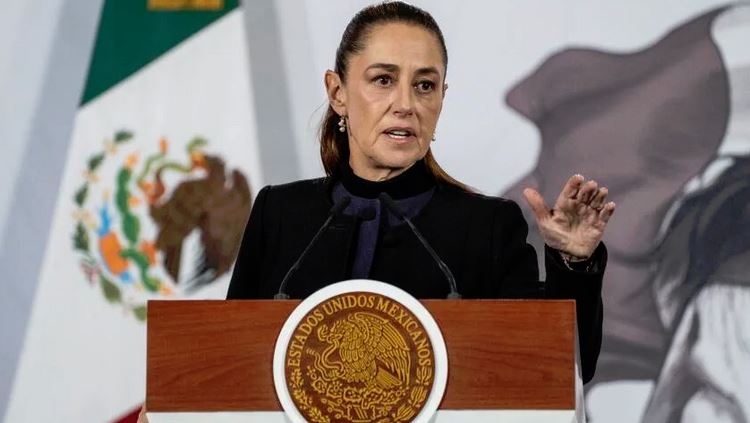
The President of Mexico, that is. She made the point during her recent speech on her country’s “partnership” with the US, aimed as stemming the flow of drugs between the two nations.
Trump wants a war on cartels. Mexico’s president says he should start by combating guns and addiction
I have wondered exactly what the US is doing to reduce the demand for illicit drugs. Media reports on the subject have been sparse, certainly by comparison to the coverage given the sinking of small boats in the Caribbean. But those are supply side measures — how about some demand-side interventions?
Then I stumbled across this document, from the Congressional Budget Office, dated January of this year:
The Opioid Crisis: Federal Policy Approaches to Reduce Supply, Demand, and Harm
Not a bad plan. But wait, haven’t we all been instructed by our government to avoid use of the term “harm reduction”, as well as programs based on a harm reduction model?
Yes, we have! From Congress’ own newsletter:
Harm reduction techniques being phased out under Trump
But then came this, from the Bureau of International Narcotics and Law Enforcement Affairs, announcing that organization’s commitment to demand reduction.
How? “…by countering crime, illegal drugs, and instability abroad,” they claim.
Abroad? What about here in the US?
Then I recalled that bizarre episode where the White House, seemingly convinced we didn’t need all those drug and mental health programs, cut them en masse from the budget.
Only to turn around and reinstate them the following day.
White House slashes, then restores, funding to treat mental health and addiction
I don’t see how any nation, let alone the United States, can hope to have real impact on the country’s drug problems without committing to a coordinated plan of action, and then sticking with it.
One that centers on demand, and the availability of treatment and prevention, here at home.