Detox and Withdrawal Management: is there a difference between the two? Most people seem to use the terms interchangeably.
They probably shouldn’t.
Detoxification refers to a physiological process that occurs naturally when someone who has become physically dependent on an addictive substance (or substances) ceases use. It’s a sort of cleansing process for the body.
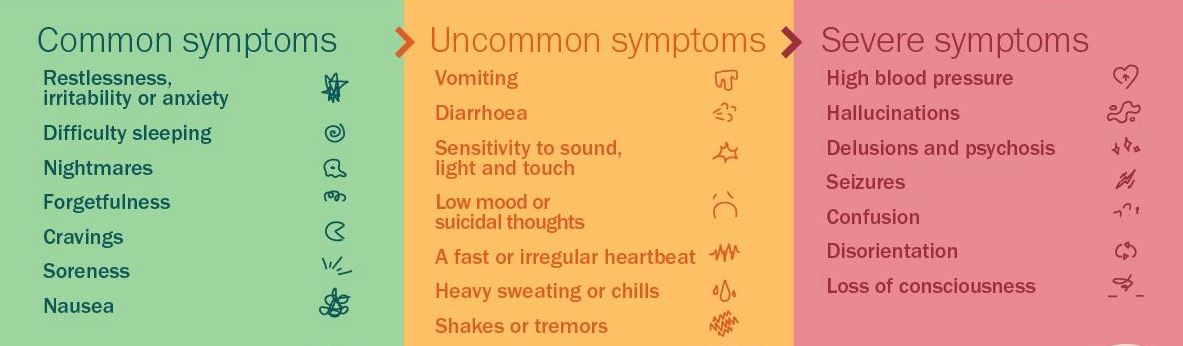
The acute phase of detoxification is generally completed within 3 to 7 days. In many cases, a person detoxifying from alcohol or other drugs will experience a measure of pain and discomfort during the process.
Detoxification in the simplest sense is something that most patients I’ve known have undertaken on their own initiative – – often without medication (“cold turkey”) — at least once prior to coming to treatment. That can indeed be risky, but since addiction has been and probably will continue to be heavily stigmatized in some parts of society, most users will go it alone if they can. If they discover they can’t, however, they turn to treatment.
Withdrawal management, on the other hand, is a newer term used to describe the clinical care that goes beyond acute detoxification, and is designed to help the get patient achieve stable recovery. Typical withdrawal management practices include the use of medications to reduce craving and discomfort; professional assessment and counseling; and structured treatment planning. This is intended to support abstinence from substance use, promote engagement in treatment, and enhance patient motivation going forward.
It’s as much about addressing the psychological aspects of addiction as the purely physical.
I suspect the shift from acute detoxification towards withdrawal management is part of a larger effort to put an end to the “revolving door” syndrome that has long plagued addiction treatment.
I think it’s a move in the right direction.