Doubt anyone at this point in time takes Donald Trump‘s remarks literally — he’s known for having issued a misleading comment suitable to nearly every situation — but one in particular caught the attention of the factchecking fraternity.
Here it is, from the Associated Press:
Trump says drug trafficking by sea is down 98.2%. The numbers don’t show that
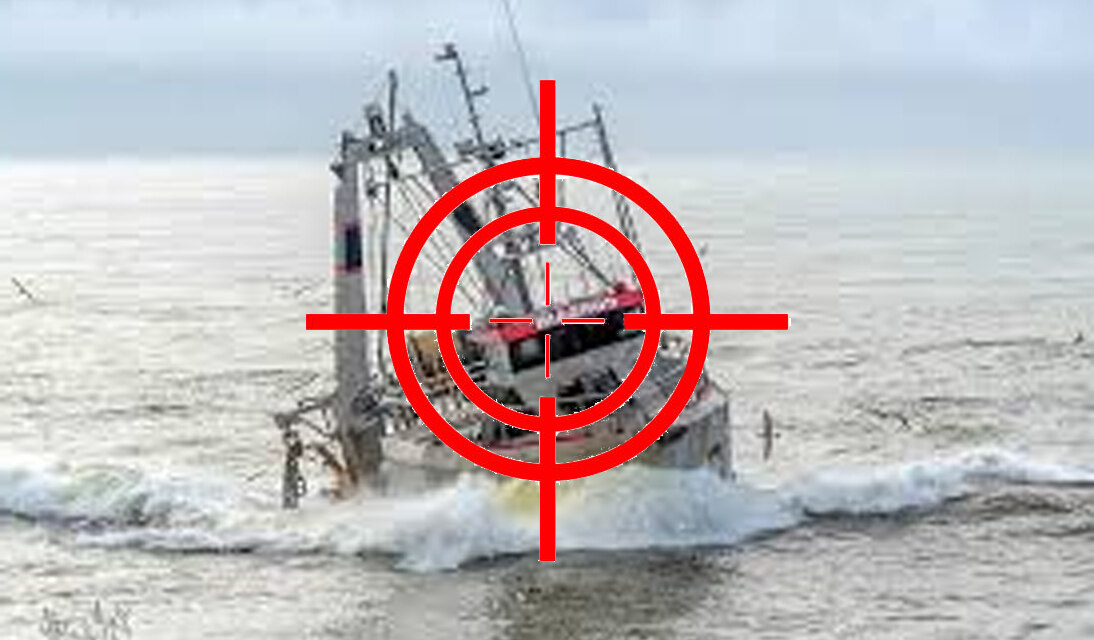
In short: the President likes to claim that the traffic in drugs by sea has been virtually eliminated as a result of US interdiction measures. All that remains, he suggests, is less than 2% of what it once had been.
If true, that’s an astounding success. But of course, it isn’t.
As the article points out, “the real number can’t be known because it is impossible to determine how many drugs are not intercepted.”
That’s right. No one knows how much went undetected, because, well, nobody from the government was around to count it. Those shipments simply slipped through the net.
So what do the numbers Trump cited actually mean?
This: “Drug seizures made in the coastal/ interior region… were 98.2% lower in November 2025 than they were in July 2025.”
It’s a straightforward comparison of two months that could be interpreted in different ways. For instance, why those two months out of twelve? What happened during the other 10 months?
The comparison could also be interpreted as evidence that law enforcement had been much less successful in terms of seizing shipments in November than they had been during the previous July. If that’s the case, it could be the result of a lack of effective enforcement.
We’ve seen that in some places with respect to DUI statistics. The number of arrests in a jurisdiction will rise or fall based not on the number of drunk drivers, but on the availability of patrols to catch them.
Suppose some other priority shifts officers off the streets. Arrests will decline – – until the officers return.
We shouldn’t forget that, according to an earlier publication from the Department of Justice, far greater quantities of illegal drugs cross our borders every day by land than by sea — including through ordinary border checkpoints.
It’s not that I fail to appreciate the importance of reducing the flow of drugs in fishing boats or narcosubmarines or in the holds of merchant ships. I appreciate the hard work that takes.
But for what it is — in this case, a small but important indicator of progress.